

Sustainable interior design is no longer a niche trend; it is a global movement toward more responsible and conscious living. As the world becomes more urbanized, the impact of our homes on the environment has become impossible to ignore. In 2026, creating a home is about more than just matching colors or buying expensive furniture. It is about crafting a sanctuary that respects nature, promotes health, and utilizes the best eco-friendly materials available. At Intros Space, we pride ourselves on being at the forefront of this transformation, proving that luxury and sustainability can go hand-in-hand.
1. The Philosophy of Sustainable Interior Design
To truly understand sustainable interior design, we must look beyond the surface. It starts with the “Life Cycle Assessment” (LCA) of every item in your home. This means evaluating how a product is made, how it is used, and what happens when it is no longer needed.
Reducing the Carbon Footprint of Your Home
The construction and interior industry is responsible for nearly 40% of global carbon emissions. By choosing sustainable interior design, you are actively fighting climate change. At Intros Space, we focus on “Circular Design,” where we prioritize products that can be recycled or upcycled, rather than those destined for a landfill. According to The World Green Building Council, energy efficiency and sustainable sourcing are the two pillars of future-ready homes.
2. Biophilic Design: The 2026 Gold Standard
Biophilic design is a strategy that incorporates natural elements into built environments to satisfy our biological need to connect with nature.
Why Biophilic Design is Essential
Research shows that homes using biophilic design can reduce stress levels by up to 30%. In a busy city like Dhaka, this connection to nature is vital.
-
Natural Light Optimization: We design spaces to maximize sunlight, which reduces the need for artificial lighting and improves mood.
-
Visual and Non-Visual Connections: This includes views of greenery, the sound of water, and the use of organic textures like stone and wood.
-
Natural Patterns: Using wallpapers or fabrics that mimic the fractals found in leaves and trees is a subtle but powerful biophilic design technique.
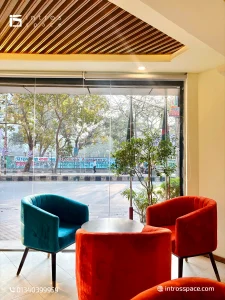
3. Selecting High-Performance Eco-Friendly Materials
The materials you choose for your floors, walls, and furniture define the sustainability of your home. In 2026, technology has provided us with eco-friendly materials that are stronger and more beautiful than traditional ones.
Reclaimed Wood and Bamboo
Reclaimed wood is timber salvaged from old structures. It has a unique history and prevents the cutting down of new trees. Bamboo, on the other hand, is one of the fastest-growing plants on earth, making it an ideal eco-friendly material for flooring.
Recycled Metal and Glass
In modern industrial designs, Intros Space often uses recycled steel and glass for partitions and shelving. These materials can be recycled infinitely without losing their quality, making them a cornerstone of sustainable interior design.
Bio-Fabric and Organic Textiles
Avoid synthetic fabrics like polyester, which are made from petroleum. Instead, opt for organic linen, hemp, or even pineapple leather for your sustainable home decor. These fabrics are biodegradable and require far less water to produce.
4. Indoor Air-Purifying Plants: Your Home’s Natural Lungs
Indoor air pollution can be up to five times worse than outdoor air due to VOCs (Volatile Organic Compounds) from paints and plastics. This is where indoor air-purifying plants come in.
Top 5 Plants for Your Eco-Friendly Home:
-
Snake Plant (Sansevieria): Famous for releasing oxygen at night, making it perfect for bedrooms.
-
Spider Plant: Highly effective at removing formaldehyde and carbon monoxide.
-
Peace Lily: A beautiful addition to biophilic design that filters out benzene and trichloroethylene.
-
Boston Fern: Acts as a natural humidifier, perfect for dry air.
-
Rubber Plant: Known for its large leaves that absorb a massive amount of CO2.
By strategically placing these indoor air-purifying plants, you ensure that your home’s air quality is always at its peak.
5. Energy Efficiency through Smart Technology
A truly sustainable interior design must address energy consumption. At Intros Space, we integrate smart home technology to reduce electricity waste.
-
Smart Thermostats: These learn your schedule and adjust heating or cooling only when you are home.
-
LED Circadian Lighting: These lights mimic the natural cycle of the sun, saving energy while helping you sleep better.
-
Low-Flow Water Fixtures: Essential for sustainable bathrooms, saving thousands of gallons of water every year.
6. Sustainable Home Decor: Quality Over Quantity
The biggest enemy of sustainability is “fast furniture.” This is cheap, mass-produced furniture that breaks after a few years. Sustainable home decor focuses on artisanal, high-quality pieces that last a lifetime.
Supporting Local Artisans
At Intros Space, we encourage our clients to source their sustainable home decor from local craftsmen. This reduces the carbon footprint caused by shipping and supports the local economy. Look for certifications like FSC (Forest Stewardship Council) to ensure your furniture comes from responsibly managed forests.
7. The Role of Low-VOC and Natural Paints
Traditional paints release “off-gassing” chemicals for years after they are applied. This is a major health hazard. To maintain a truly sustainable interior design, always choose Zero-VOC or clay-based paints. These natural finishes are breathable, non-toxic, and available in thousands of beautiful shades to match your biophilic design goals.
8. Case Study: An Eco-Friendly Transformation by Intros Space
To illustrate these points, let’s look at a 1500 sq. ft. apartment we recently renovated.
-
The Goal: Create a modern, sustainable home using only eco-friendly materials.
-
The Strategy: We installed cork flooring for its sound-dampening properties and warmth. We used biophilic design to create a central courtyard feel in the living room using a vertical wall of indoor air-purifying plants.
-
The Result: A carbon-neutral home that remains cool in the summer and warm in the winter, reducing energy bills by 40%.
9. Designing for the Future: Adaptability and Longevity
Sustainability also means designing a space that can grow with you. A sustainable interior design should be modular. For example, a home office that can easily be converted into a nursery is more sustainable than one that needs a full renovation. At Intros Space, we plan for the long term, ensuring your sustainable home decor remains relevant for decades.
10. Conclusion: Why Intros Space is Your Partner in Sustainability
Creating an eco-friendly home is a journey of a thousand small choices. By choosing sustainable interior design, prioritizing biophilic design, and selecting the right eco-friendly materials, you are creating a legacy. You are proving that it is possible to live in luxury while being a guardian of the earth.
Ready to start your sustainable journey? Contact Intros Space today and let us design a home that is as healthy for you as it is for the planet!